



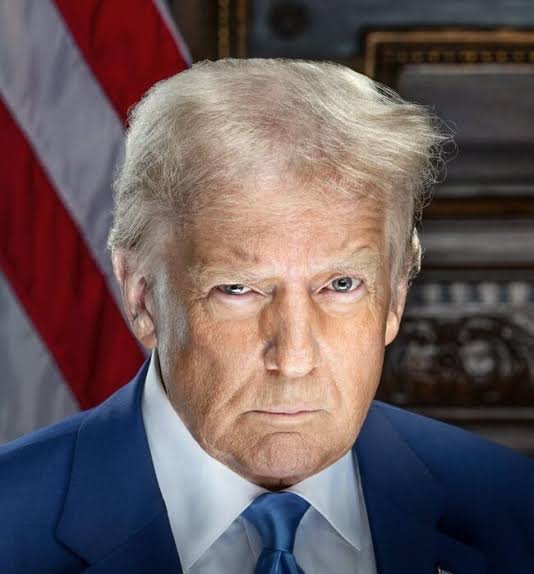
The United States Supreme Court has agreed to determine whether President Donald Trump acted lawfully when he issued an executive order directing federal agencies to deny birthright citizenship to children born in the country to parents who are neither U.S. citizens nor permanent residents.
The move sets the stage for a major constitutional battle over interpretation of the 14th Amendment, a post–Civil War provision long understood to guarantee citizenship to virtually anyone born on American soil.
The court took up the case following a Justice Department appeal after lower courts blocked the order. A federal class-action lawsuit filed by affected parents and children succeeded in stopping implementation nationwide, with judges ruling that the directive violates both the Constitution and existing federal law codifying birthright citizenship.
The justices are expected to hear arguments within the current term, with a decision anticipated by June.
Trump signed the order on the first day of his second term, describing it as part of a broader push to limit both legal and illegal immigration. Critics, including civil-rights groups, have argued that the directive is discriminatory and an unlawful attempt to rewrite the Constitution by executive action.
The administration maintains that the 14th Amendment’s phrase “subject to the jurisdiction thereof” excludes children of those with only temporary or unlawful presence and that citizenship should be reserved for children of individuals with “primary allegiance” to the United States, including citizens and green-card holders.
Challengers have pointed to a long-standing precedent from 1898, United States v. Wong Kim Ark, in which the Supreme Court held that a child born in the U.S. to non-citizen parents is constitutionally entitled to American citizenship. They also argue that Congress reaffirmed this interpretation in the Immigration and Nationality Act of 1952.
The case arrives at the Supreme Court after a series of decisions this year that allowed several Trump immigration policies to take effect despite initial setbacks in lower courts. The justices previously considered a related issue involving the scope of nationwide injunctions but did not rule on the legality of the underlying order.
By taking the case directly from a federal district court, the Supreme Court signaled the national significance of the dispute and the need for a final resolution on whether a president can redefine birthright citizenship without congressional action.