


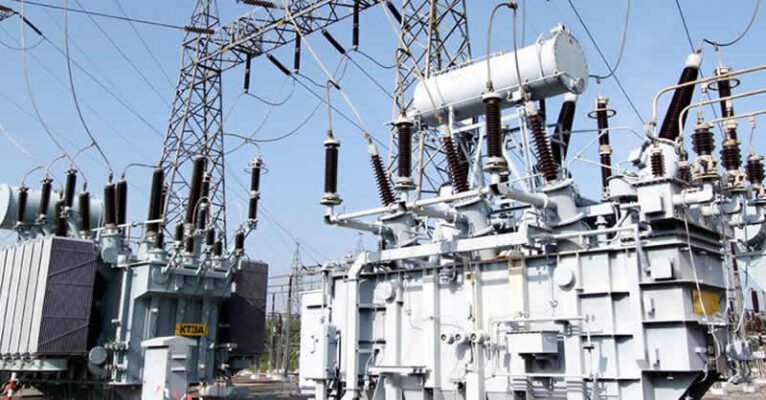
Nigeria’s national electricity grid experienced a major collapse on Monday, plunging power generation from approximately 4,800 megawatts to just 139 megawatts, leaving millions of homes, businesses, and public facilities without electricity. According to preliminary data, almost all distribution companies across the country were severely affected, with only minimal supply recorded in a few areas such as Abuja and Ibadan. The sudden drop in generation caused widespread blackouts, disrupting daily activities and forcing critical infrastructure to rely on backup systems.
The collapse follows a familiar pattern of instability in Nigeria’s power sector, where aging transmission lines, insufficient maintenance, and underinvestment have repeatedly led to system failures. Industry experts say that when a major generating plant trips or there is a significant imbalance between supply and demand, the grid’s frequency drops, triggering automatic shutdowns across multiple plants. This cascading effect was evident in Monday’s incident, as all 22 power plants connected to the national grid reportedly lost generation almost simultaneously.
Attempts to reach the Transmission Company of Nigeria (TCN) and the Federal Ministry of Power for official statements were not immediately successful, though initial reports indicate that restoration efforts were underway. Citizens across Lagos, Port Harcourt, Kano, and other major cities reported extended periods without electricity, while hospitals, banks, and telecom services scrambled to rely on generators. The scale and speed of the blackout underscore persistent vulnerabilities in the nation’s power infrastructure.
Nigeria’s electricity grid has a long history of collapses, with similar incidents occurring multiple times over the past few years. Experts argue that structural weaknesses, including outdated equipment, bottlenecks in distribution, and inadequate investment in both generation and transmission, continue to make the system prone to sudden failures. Stakeholders and labor unions have repeatedly called for comprehensive reforms, stronger oversight, and modernization to prevent future disruptions and ensure more reliable electricity supply for the country.
As power companies work to stabilize the system, Nigerians are left to navigate the immediate challenges posed by the blackout. The TCN is expected to provide a full report on the cause and timeline for restoration once the grid is back to normal capacity, while policymakers face renewed pressure to address the long-standing issues affecting the nation’s electricity supply.