



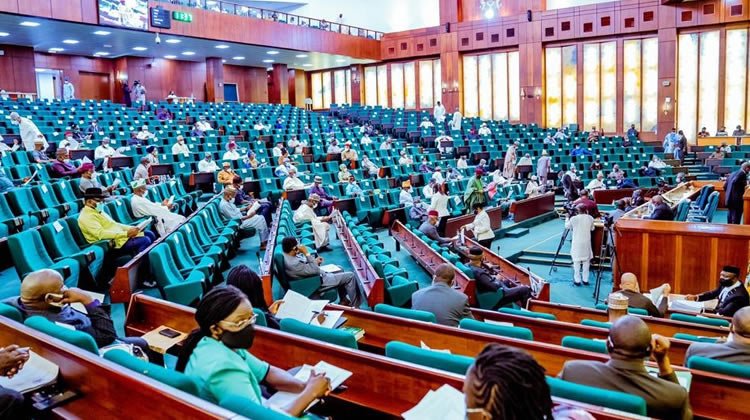
The National Assembly has directed the Clerk to re-gazette Nigeria’s recently enacted tax laws and issue Certified True Copies of the versions passed by both chambers, following allegations that the laws were altered after legislative approval.
The directive was disclosed on Friday in Abuja in a statement issued by the spokesperson of the House of Representatives, Akin Rotimi, amid growing public and parliamentary concern over the integrity of the legislative process.
The controversy was triggered two weeks ago when a lawmaker representing Sokoto State, Abdussamad Dasuki, raised a point of order during plenary, alleging that copies of the tax reform Acts circulating at the Federal Ministry of Information and National Orientation materially differed from those passed by the Senate and the House of Representatives.
Dasuki warned that any post-passage alteration of legislation without constitutional backing posed serious legal and constitutional risks, noting that such discrepancies could undermine legislative authority and threaten Nigeria’s democratic order.
In response, the Speaker of the House of Representatives, Tajudeen Abbas, constituted a seven-member ad hoc committee chaired by Muktar Betara (APC, Borno) to investigate the allegations and report its findings to the House for appropriate legislative action.
According to Rotimi, the leadership of the National Assembly has taken institutional steps to safeguard public interest and preserve the integrity of the legislative record.
He explained that recent public commentary has focused on the legislative journey, presidential assent and gazetting of four key statutes: the Nigeria Tax Act, 2025; the Nigeria Tax Administration Act, 2025; the Joint Revenue Board of Nigeria (Establishment) Act, 2025; and the Nigeria Revenue Service (Establishment) Act, 2025.
The concerns, he said, relate to the harmonisation of bills passed by both chambers, the versions transmitted for presidential assent and the texts subsequently published in the Official Gazette of the Federal Government.
Rotimi assured that the matter is being addressed strictly within the constitutional and statutory remit of the National Assembly, stressing that the House had already initiated internal institutional review mechanisms.
He noted that the ad hoc committee, working alongside relevant standing committees and the management of the National Assembly, is conducting a detailed review to establish the sequence of events and identify any lapses, irregularities or external interferences that may have occurred during the legislative and administrative handling of the Acts.
According to the statement, the review is being carried out in strict compliance with the Constitution of the Federal Republic of Nigeria, the Acts Authentication Act, the Standing Orders of both chambers and established parliamentary practice.
As part of the corrective process, the leadership of the National Assembly, under Senate President Godswill Akpabio and Speaker Tajudeen Abbas, approved the administrative step directing the Clerk to re-gazette the Acts and issue Certified True Copies of the versions duly passed by the Senate and the House of Representatives.
Rotimi explained that the measure is intended solely to authenticate the legislative record and accurately reflect the decisions of the National Assembly, without conceding any defect in the exercise of legislative authority.
He emphasised that the review does not prejudice the powers of any other arm of government or affect any rights, obligations or legal processes arising under the Constitution or existing laws.
The statement reaffirmed the commitment of the 10th National Assembly to constitutionalism, separation of powers, due process and the supremacy of the rule of law, adding that any identified procedural or administrative gaps would be corrected in accordance with established parliamentary conventions.
The House also urged members of the public to refrain from speculation while the review is ongoing, assuring Nigerians that transparency, accountability and fidelity to constitutional responsibility remain central to the legislature’s actions.