


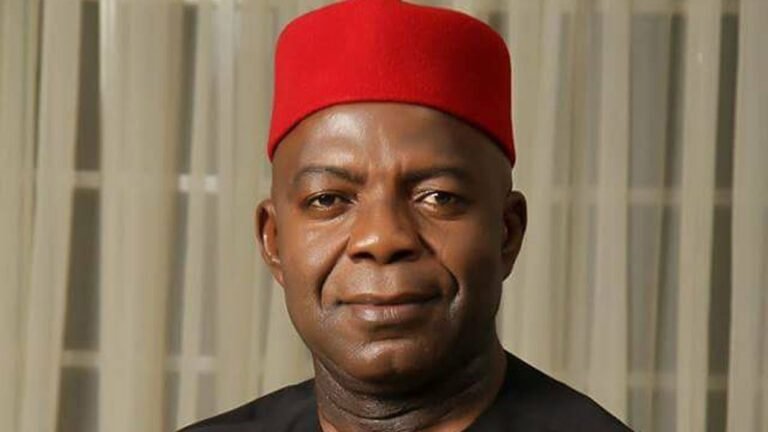
Governor Alex Otti of Abia State has announced that the state is no longer affected by power failures resulting from frequent collapses of the National Grid. His administration is now converting organic waste into electricity, thereby reducing dependence on the national power system.
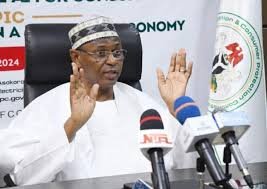
In a press conference, Otti explained that Abia’s investment in renewable energy—derived from biogas—is part of a pilot program aimed at generating clean energy for residents. The state has moved away from reliance on the Nigerian Electricity Regulatory Commission (NERC) and has negotiated a new arrangement with the Enugu Electricity Distribution Company (EEDC) to manage power distribution locally.
Otti stated:
“Instead of throwing away waste, we can turn it into clean energy, which will power a lot of places, particularly the Umuahia in-farms.”
He noted that the Abia State Electricity Regulation Authority has taken over the regulation of power from NERC, allowing for enhanced oversight of electricity distribution, generation, and transmission within the state. This change is seen as a pathway to ensure independence and efficiency in the management of electricity resources.
The National Grid recorded its second collapse in 2026, causing significant power outages across Nigeria. On the day of the collapse, electricity generation collapsed from over 4,500 megawatts to zero by 11:00 AM, affecting all generation plants linked to the grid.
Former Labour Party presidential candidate Peter Obi criticized the persistent power crisis, stating that Nigeria’s poor access to electricity has become a national shame. He highlighted the stark comparison between Nigeria’s power generation capacity and that of other African nations, emphasizing the need for competent leadership to address these failures.
The Nigeria National Grid (NNG) has proposed long-term solutions to prevent future collapses, including improved metering and grid expansion. Proper metering is seen as essential for increasing transparency and trust in the power supply system, which could lead to better maintenance and improved customer service.
Experts estimate that Nigeria requires more than 30,000 megawatts to meet the power supply needs of its over 240 million population, while the grid currently generates about 5,000 megawatts.
Governor Otti’s initiative marks a hopeful turn for Abia State, showcasing the potential for alternative energy solutions amid national electricity challenges.