



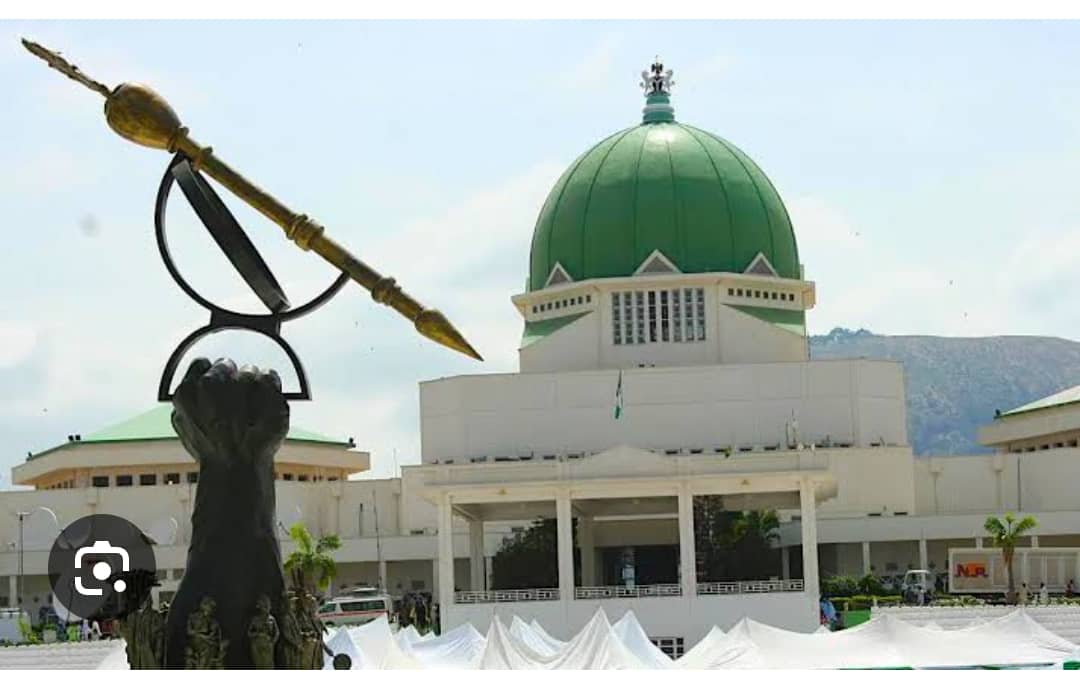
The National Assembly of Nigeria on Tuesday approved electronic transmission of election results but retained manual collation as a fallback, sparking protests, a walkout by opposition lawmakers, and heated debates in both chambers ahead of the 2027 general elections.
In the Senate, lawmakers revisited Clause 60(3) of the Electoral Act (Repeal and Re-Enactment) Bill, 2026, which provides that polling unit results be electronically transmitted to the Independent National Electoral Commission’s Result Viewing Portal (IReV). However, it also states that where electronic transmission fails due to network issues, the manually completed Form EC8A will serve as the primary basis for collation and declaration of results.
Fifteen senators led by Enyinnaya Abaribe opposed the proviso, insisting that electronic transmission should be mandatory without exceptions. Despite their resistance, 55 senators voted in support of retaining the manual backup. Senate President Godswill Akpabio later praised both sides, describing the debate as democracy in action.
The Senate also amended Clause 28 of the bill, reducing the mandatory notice period for elections from 360 days to 300 days. The adjustment grants the Independent National Electoral Commission flexibility in scheduling the 2027 elections, amid concerns that earlier proposed dates could clash with Ramadan.
In the House of Representatives, tensions escalated when minority lawmakers staged a walkout, accusing Speaker Tajudeen Abbas of railroading the amendments. Minority Leader Kingsley Chinda said the opposition rejected any clause that could weaken real-time electronic transmission, arguing that electronically transmitted results should prevail in cases of conflict.
Outside the complex, protesters including former Minister of Education Oby Ezekwesili criticised the retention of manual backup, warning against what they described as attempts to dilute electoral transparency. The bill now heads to a conference committee for harmonisation before transmission to the President, as political tensions mount ahead of 2027.