


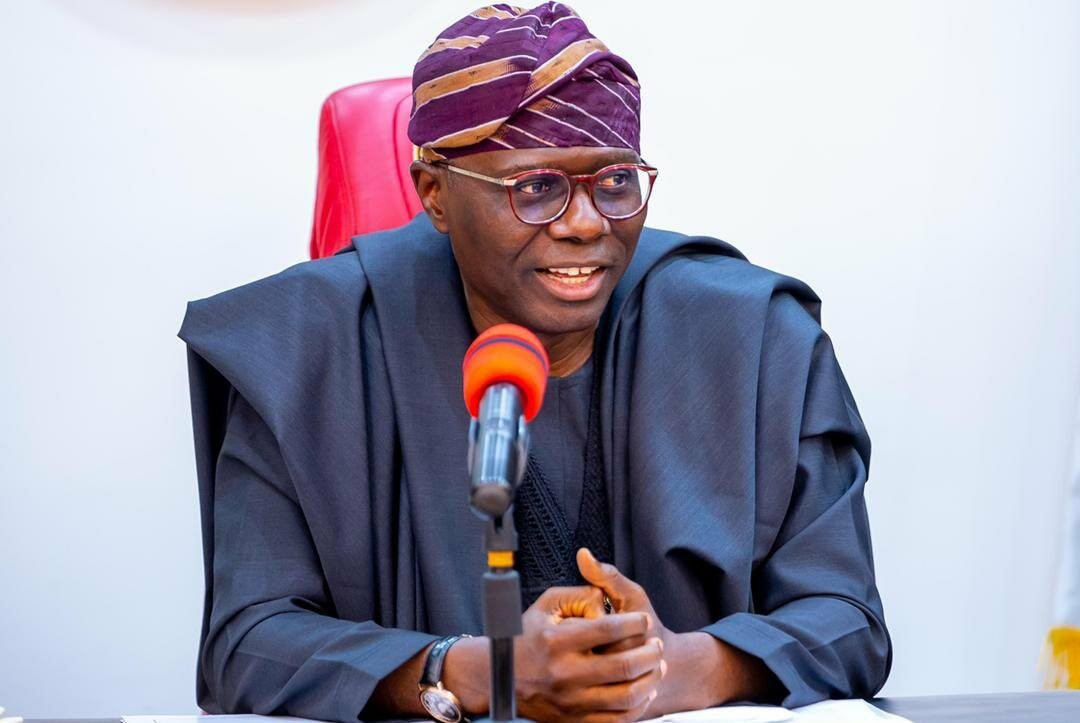
Lagos State Governor, Babajide Sanwo-Olu, has ordered the demolition of the Great Nigeria Insurance (GNI) building that was destroyed by fire on December 24, warning that the surrounding area remains unsafe.
In a statement shared on his X account on Friday, the governor confirmed that eight people died in the incident, with five victims identified and three yet to be identified. He added that 13 people had so far been rescued from the site.
Speaking during an inspection of the affected area, Sanwo-Olu extended his condolences to families impacted by the tragedy and cautioned residents and business owners against any activity around the building.
“No business or unauthorised activity should be taking place there. The area remains unsafe, and only first responders are permitted on the site,” he said.
He noted that emergency responders were still working carefully through the debris, particularly at the rear section of the building, to ensure that no one remained trapped.
An information centre has been established at the scene and is being manned by officials of the Lagos State Emergency Management Agency, the National Emergency Management Agency and the Lagos State Building Control Agency to provide updates and assistance to the public.
Authorities disclosed that unsafe practices, including improper use of generators and the construction of shops close to electrical transformers, worsened the impact of the fire.
Following a comprehensive structural assessment, Sanwo-Olu announced that the GNI building would be demolished using the safest possible methods, while some surrounding structures would also be pulled down to avert further danger.
“Following a full structural review, the GNI building will be demolished using the safest possible methods. Some surrounding buildings must also be removed. While these are difficult decisions, we must prioritise the safety of lives above all else,” he said.
The governor assured Lagos residents that the state government would continue to oversee recovery efforts and support families affected by the disaster, stressing that safety remained the top priority.