


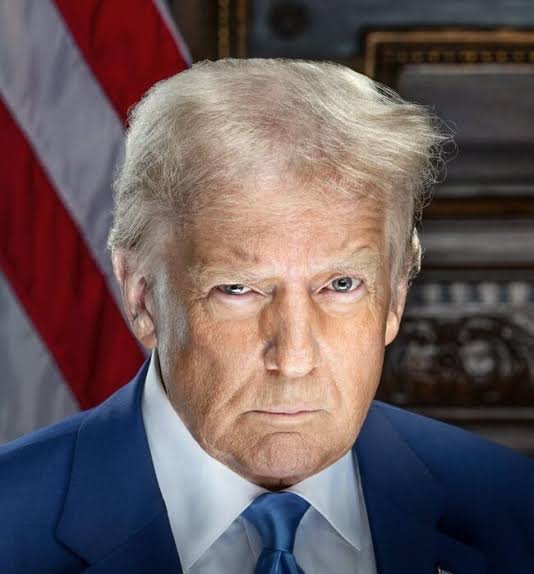
US President Donald Trump has stated that birthright citizenship was initially established to protect the children of enslaved individuals, not to benefit wealthy foreigners giving birth in the United States. In an interview with Politico, Trump defended his executive order aimed at ending automatic citizenship for children born in the country, which he signed shortly after returning to the White House in January 2025.
Trump expressed concern that a potential Supreme Court ruling against his administration would have “devastating” effects. He clarified that the principle of birthright citizenship stems from the Civil War era, intended to safeguard the rights of enslaved people’s offspring. He argued that this legal foundation was misinterpreted to allow affluent foreigners to secure citizenship for their families.
The 14th Amendment, enacted in 1868, asserts that all individuals born or naturalized in the United States are citizens. This amendment was primarily focused on granting citizenship to formerly enslaved individuals.
Since Trump’s executive order, which stipulates that children born in the US more than 30 days after his inauguration would not automatically receive citizenship, there have been numerous legal challenges. Initial federal court decisions thwarted its enforcement, but in June, the Supreme Court ruled that lower courts lacked authority to impose nationwide restrictions on such executive actions.
Trump has also justified this move on economic grounds, arguing that the US cannot continue to accommodate a growing population. The Supreme Court is expected to hear arguments surrounding this matter soon, and the outcome could significantly impact immigration policy and the interpretation of the 14th Amendment.